

New international electronic chart system (ECS) regulations — including USCG NVIC 01-16 CHG 3, the RTCM-SC109 performance standard and the UK MCA’s SV-ECS framework, are redefining navigation requirements for smaller commercial vessels, tugs, workboats and fishing fleets. These new regulations even apply to small US 6 pack charter fishing vessels (USCG Operator of Uninspected Passenger Vessels). These are important and enforceable safety regulations where failure to comply can lead to deficiencies and civil penalties under USCG regulations.
ECS vs ECDIS
Currently, maritime authorities in the United States, the United Kingdom and Norway have introduced updated guidance and standards to formalize the use of Electronic Chart Systems on commercial vessels that are not required to carry full ECDIS – that’s the IMO compliant electronic chart plotter products for large commercial ships with significant cost and complexity. Recognising this gap, the USCG, MCA and Norwegian NCA/NMA developed SV-ECS as a cost-effective and practical alternative with a primary aim to improve navigational safety.
The Small Vessel Electronic Chart System (SV-ECS) standard has been in force from 2025 and strict enforcement has now started from authorities. The rules, while similar, do differ between nation states but in general, SV-ECS is a tailored solution that provides essential nautical information for safe navigation. It includes features such as official charts with route planning, alerting and monitoring ensuring that small vessel operators can meet safety and navigation standards without the need for full ECDIS systems.

The Importance of Official ENC Charts & Updates in Meeting ECS Standards
One key element of the standard is that the latest official chart data is available for the vessel captain and navigator. Official charts (ENCs) using S57/63/100 standards must be utilised and kept updated with a log of updates. Updating ENCs weekly is crucial for ensuring maritime safety. Weekly updates incorporate the latest navigational information including changes to water depths, hazards and modifications to aids to navigation such as buoy positions or light sequences.
Traditionally, paper charts would be updated by hand from Notice to Mariner information but this is a labour intensive task, time consuming and fraught with errors. In the US, NOAA who produce the official government charts, have stopped paper chart printing. Therefore the use of an approved ECS delivers value, security and safety for the operator.
While no boat operator likes regulation, the new ECS rules will ultimately make workboats safer and more efficient – and provide an enhanced navigation experience for all operators.
Charting Standards
The IHO (International Hydrographic Organization) charting standards S-52, S-57, S-63, and S-100 define the creation, security and evolution of electronic navigational charts (ENCs) used in ECDIS and now ECS’s. S-57 and S-63 constitute the current standard for digital charting, while S-100 represents the next-generation framework designed for modern, data-rich navigation.
S52/57 provides a uniform format (vector-based) for hydrographic offices to create data that can be interpreted by any type-approved ECDIS/ECS and standardises how data is displayed in terms of colours, symbols, dangers, boundaries etc so mariners have a consistent chart display. S63 defines the encryption, security and authentication scheme plus ensures data only comes from official sources.
S100 provides a more modern, flexible, and comprehensive hydrographic data model that will replace S-57 as systems progress. It provides better support for real-time information such as ocean currents, water levels and tides with more advanced chart bathymetry. These standards will evolve continually but are here to stay and need implementing now with a suitable hardware solution.
The Digital Deep Sea Solution
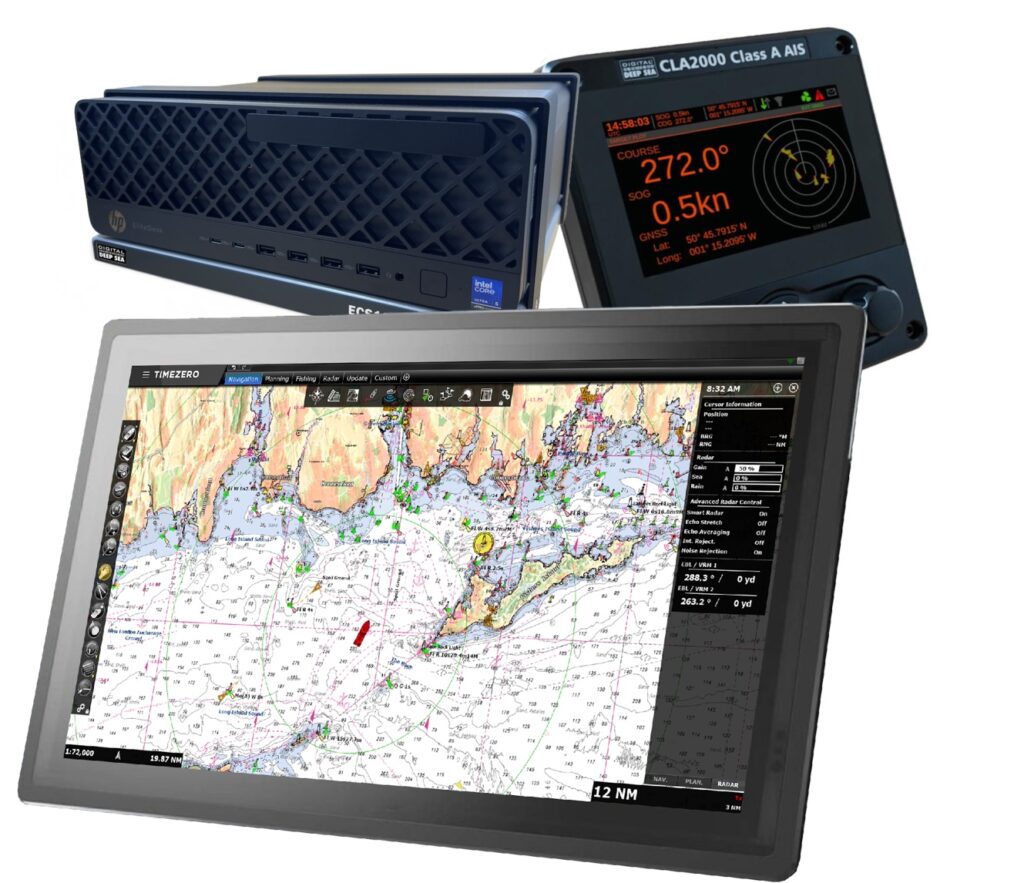
Deep Sea have implemented a technically advanced ECS solution meeting compliance requirements for the various nations while also offering a feature rich solution and capability for the future.
High-performance marine ECS computer
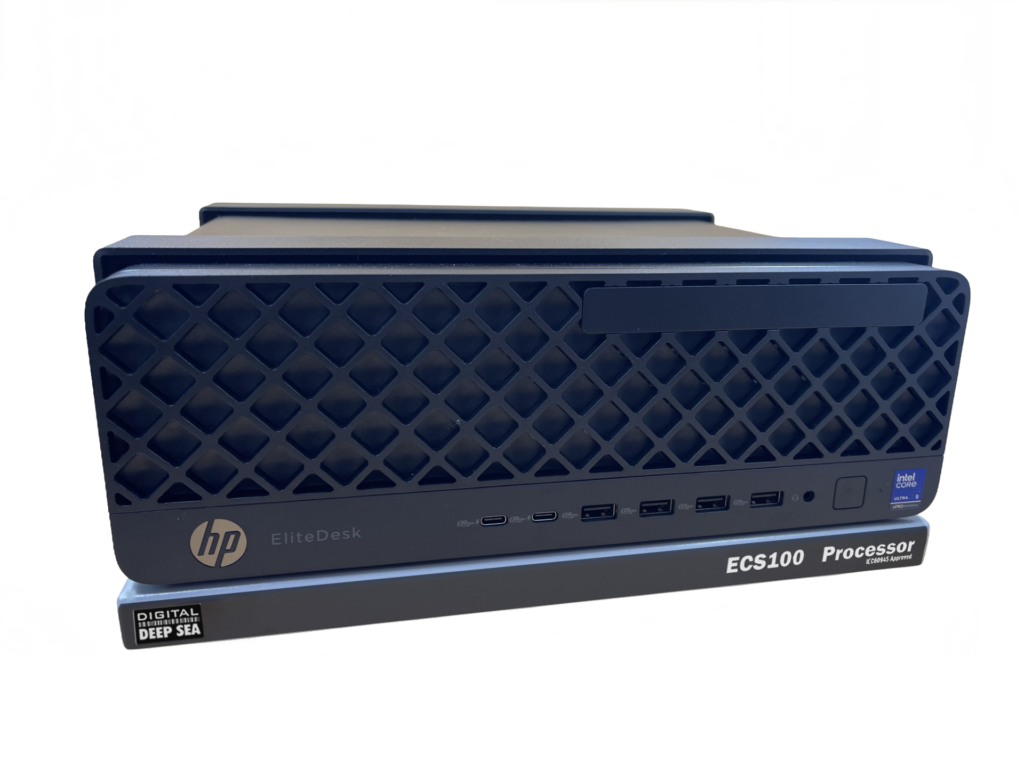
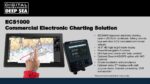
The ECS1000 system comprises a compliant processor (ECS100) with an integrated ECS operating system and charting, touch screen display (S185) and the option of a IMO approved Class A AIS transponder (CLA2000) which can provide AIS and GPS (as an electronic positioning fixing device) data to the system.
The ECS1000 systems are tailored to specific markets so meet all the national requirements and regulations.
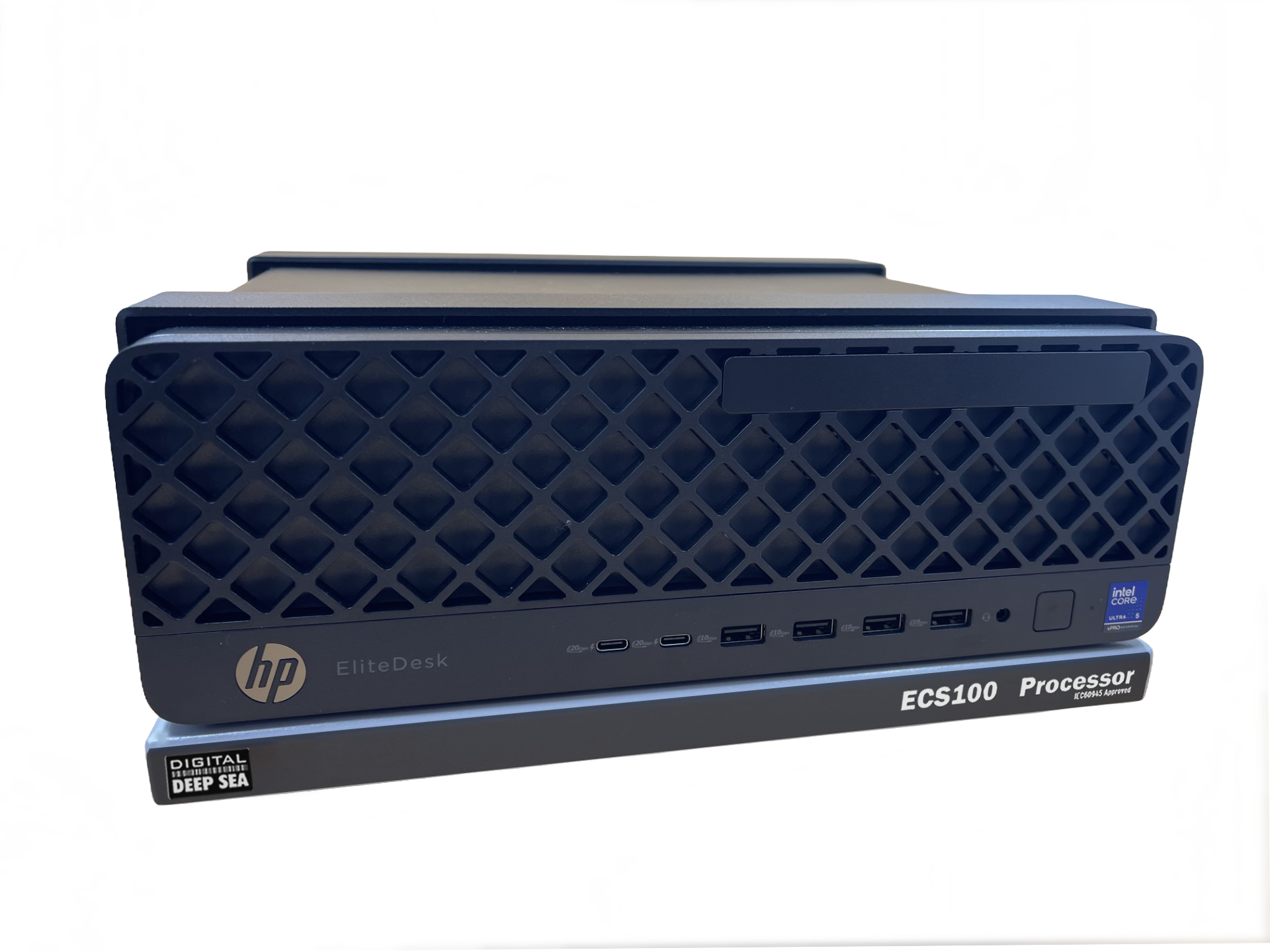
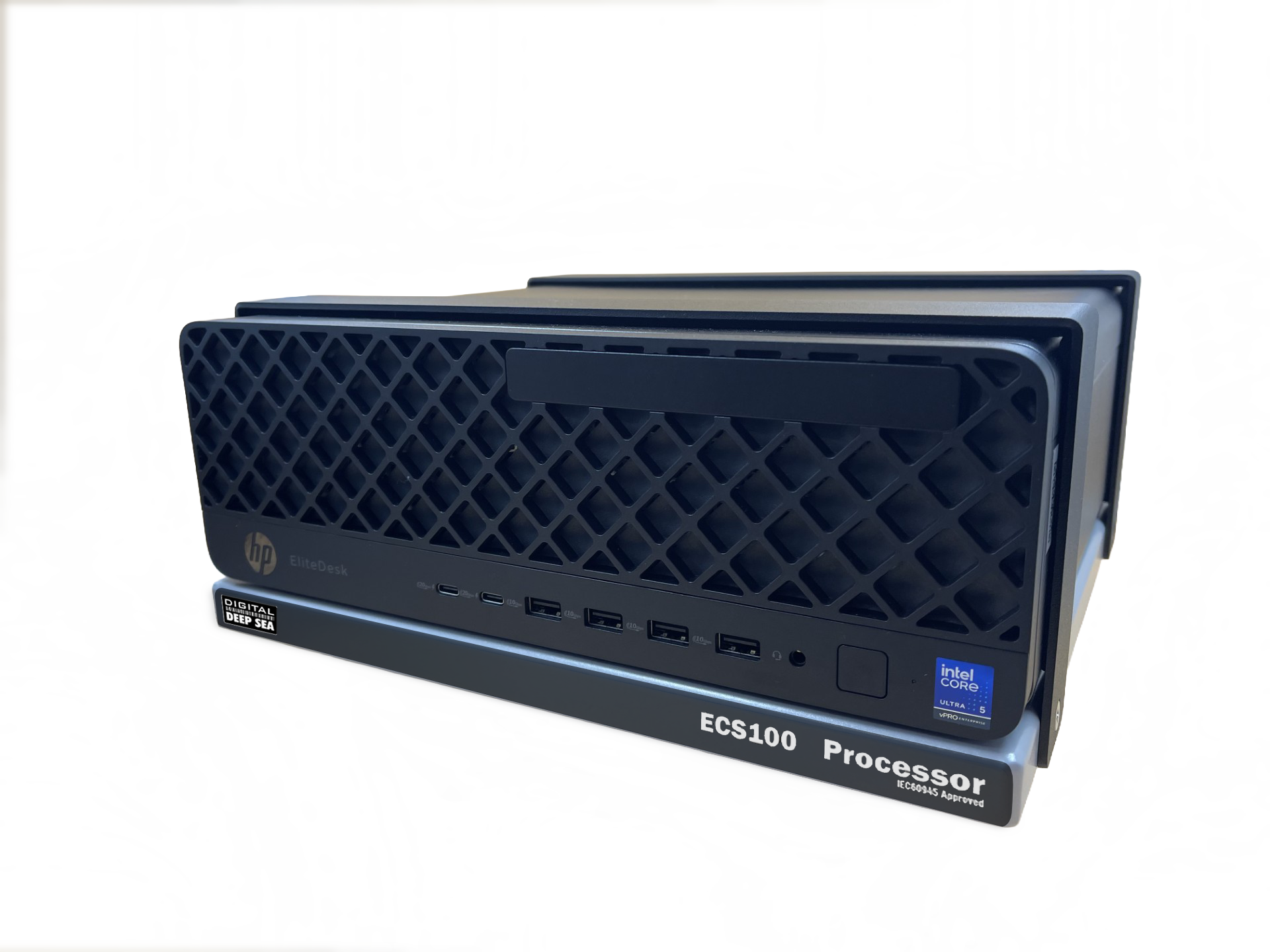
The heart of the system is the ECS100 processor which is a powerful Core 5 Intel processor with 16GB RAM and a 1TB ultra rugged storage drive for charting data. It has support for up to 4 displays with ultra-fast chart redraws, panning and zooming. It fully meets the requirements of IEC60945 with a custom anti-vibration mounting bracket, modified processor and power supply.
Professional S57/S63 Charting with TimeZero Software
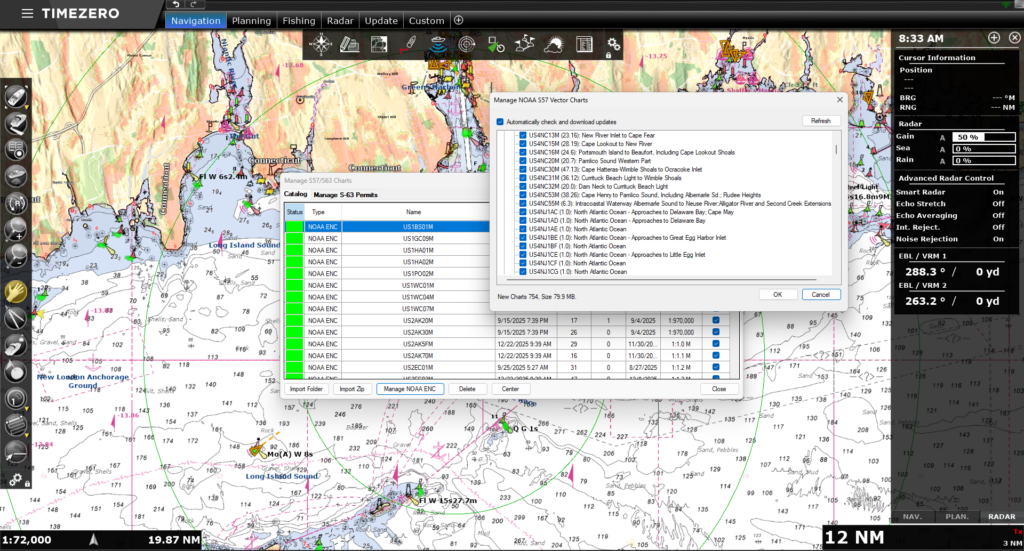
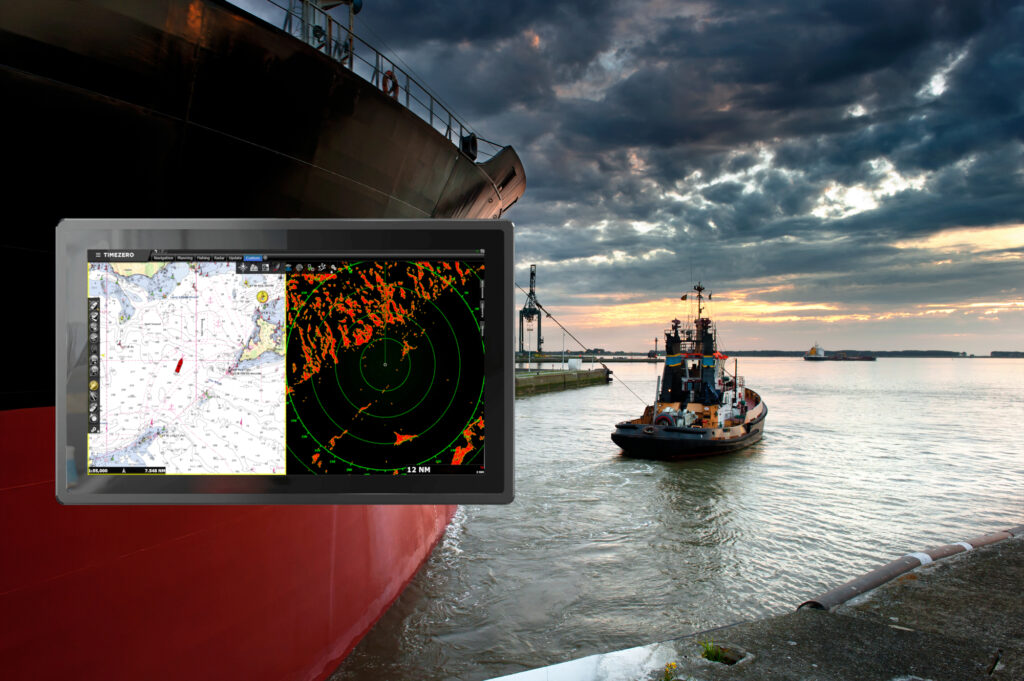
TimeZero Professional ECS software is pre-installed with S57/63 chart compatibility and a shell operating mode where the processor becomes a dedicated ECS display, with auto reboot in the even of power failure. TZ Pro offers auto chart updates.
HD 18.5″ Touchscreen monitor
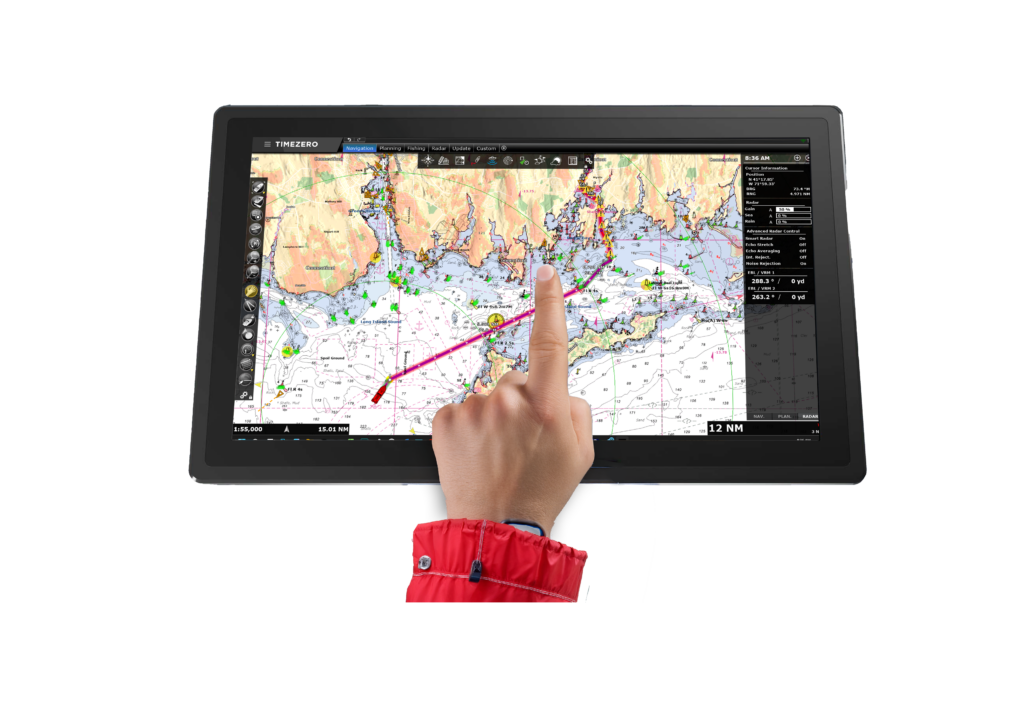
The S185 display is a hi-bright 1000cd 1980 x 1020 HD touch screen display using PCAP technology for pinch to zoom, panning and chart redraws/operation. It has an on screen keyboard or any standard keyboard, tracker-ball or mouse can be utilised to suit operator requirements.
Class A AIS Transponder
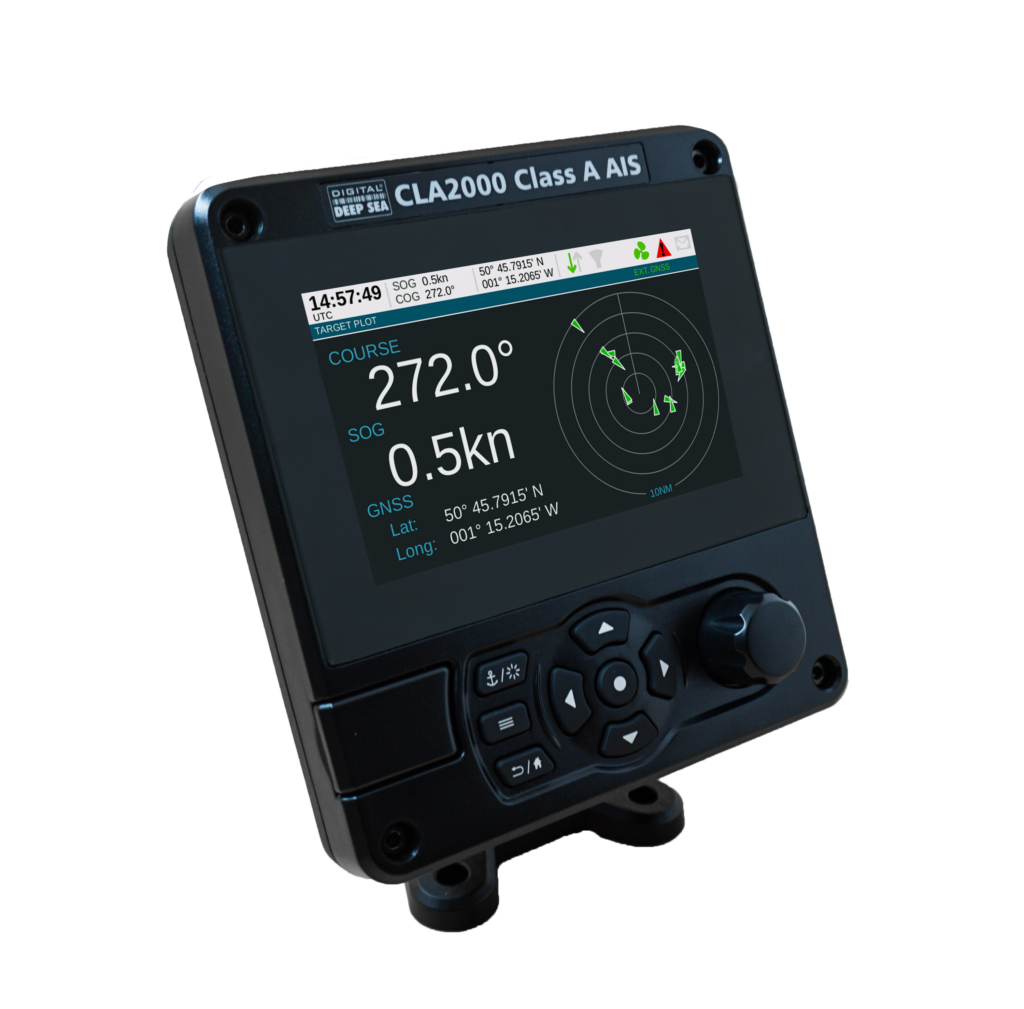
The ECS1000 should connect to AIS and GPS/EPFD equipment. The CLA2000 is a IMO approved Class A AIS transponder with connectivity for the ECS1000 and also a NMEA wireless interface for iPads and tablets which can be used for back up navigation with suitable apps.
For more information contact our experts direct:
- UK & Europe: + 44 207 100 9116 – email sales@digitalyacht.co.uk
- US: +1 978 277 1234 – email sales@digitalyachtamerica.com