


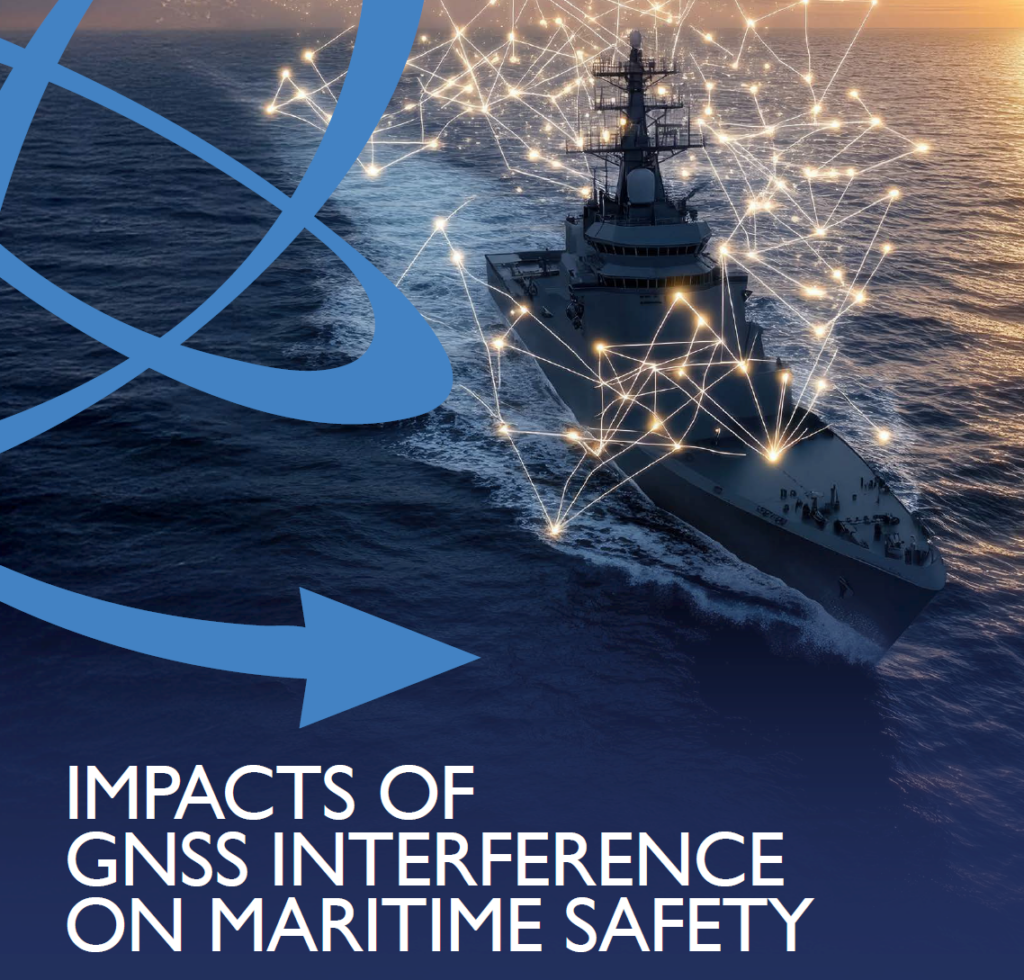
GPS spoofing and GNSS interference are no longer rare military or geopolitical issues — they are a growing, real-world problem affecting commercial ships, fishing vessels, and recreational boaters alike. In recent years, vessels have reported sudden position jumps, false tracks, lost AIS targets, and navigation systems placing them miles from their true location.
What’s GPS spoofing?
Unlike GPS jamming, which simply blocks the signal, GPS spoofing feeds your equipment false positioning data, making your vessel appear somewhere it isn’t — often without any warning message.
For boaters who increasingly depend on integrated electronics, this presents a serious safety concern.
How GPS Interference Affects Marine Navigation
The Royal Institute of Navigation (RIN) recently published and excellent white paper on the impacts on navigation of GPS spoofing and jamming.
While primarily aimed at professional navigators, it has implications and recommendations for every maritime navigator. You can download the report by clicking here.
So apart from being prepared and making sure to brush up on traditional navigation using a compass, log, dead reckoning, log book etc what else can be done. Traditional navigation is important and can’t be spoofed so that’s a priority and it’s essentially free.
Technologies That Help Detect or Mitigate GPS Spoofing
There are technical solutions available using very sophisticated and expensive multi element CRPA antennas with expensive GNSS receivers or even using positioning systems outside of the GNSS constellations which are currently under development.
Iridium have a solution (STL) working using their LEO constellation of satellites and it’s rumoured that the next generation of Starlink terminals will have an alternative positioning system.
These solutions are frankly beyond the financial reach of the average recreational boater who has taken reliable positioning from GPS for granted for the past 40 years.
How Radar Overlay Can Protect You from GPS Spoofing
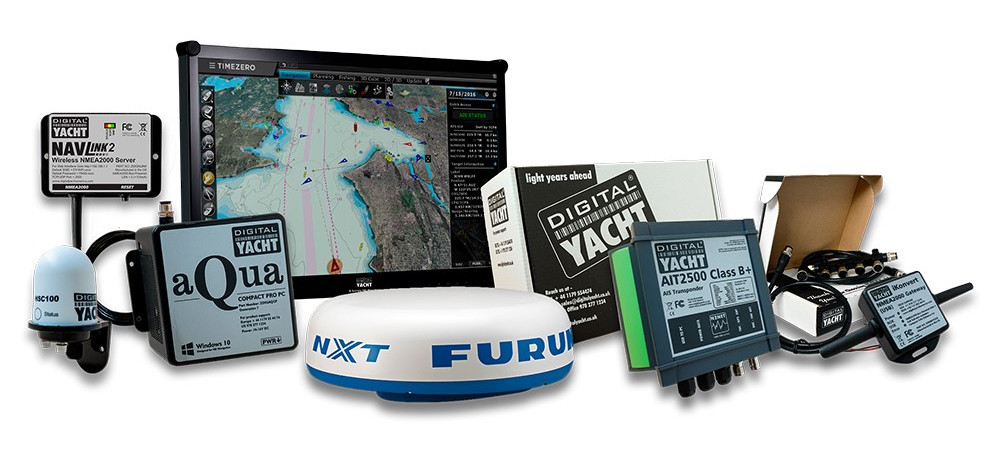
At Digital Yacht, we’ve been experimenting. We were using TZ Software on one of our Aqua PC system solutions with a Furuno radar and the integrated dead reckoning mode allows the radar image to be overlaid onto the chart and the radar returns used to position the vessel. Nice!
Plus the whole navigation solution with PC, AIS, TimeZero and radar is one of the best navigation solutions available.
Introducing OneFix: High-Accuracy GNSS with Built-In Spoofing Detection
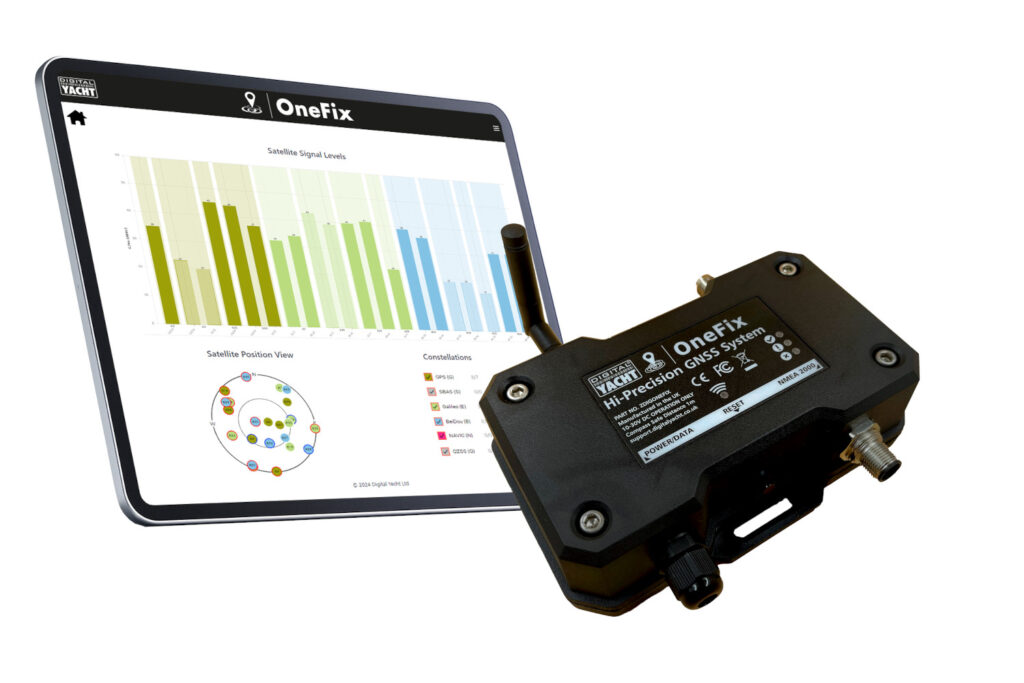
But we’ve also gone further and developed OneFix, a high accuracy GNSS positioning receiver. OneFix firstly is affordable and brings value to any boater with high accuracy positioning.
Positioning is a navigation fundamental so why scrimp and save on poor quality internal GPS systems running within a chart plotter or multi function display or even an iPad. These are low cost, low accuracy positioning sources and marine navigation deserves better
It uses L1/L5 satellites to improve navigation accuracy but also has a unique mode where the position fixes from multiple constellations are compared and alerts generated where there’s a deviation. It helps with spoofing and interference issues plus OneFix can connect to iPads and tablets as well as NMEA 2000 systems
Digital Yacht deliberately removed processing from Glonass GNSS services but instead provided an extra input for a dedicated Glonass GNSS via our GPS160. That then delivers another layer of security
Affordable, better navigation from Digital Yacht

