


As boaters, we’ve become very familiar with combination products where one device may offer multiple functions – the multi function display (MFD) having become a device that may incorporate multiple functions into one display – for instance GPS, chart-plotter, sounder and radar.
That may make sense where space on a dash or helm is limited and where there’s a lot of cost attached to the waterproof hi-brightness display.
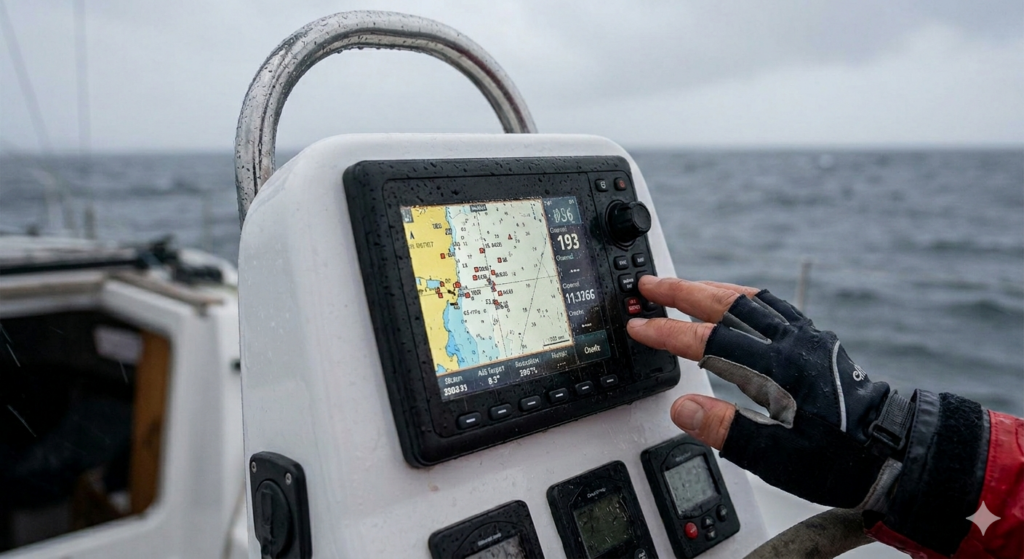
But sometimes, dedicated products for specific functions are best – just like with hi-fi audio systems where the best performance always comes from separates.
The Reliability Challenge of All-in-One Systems
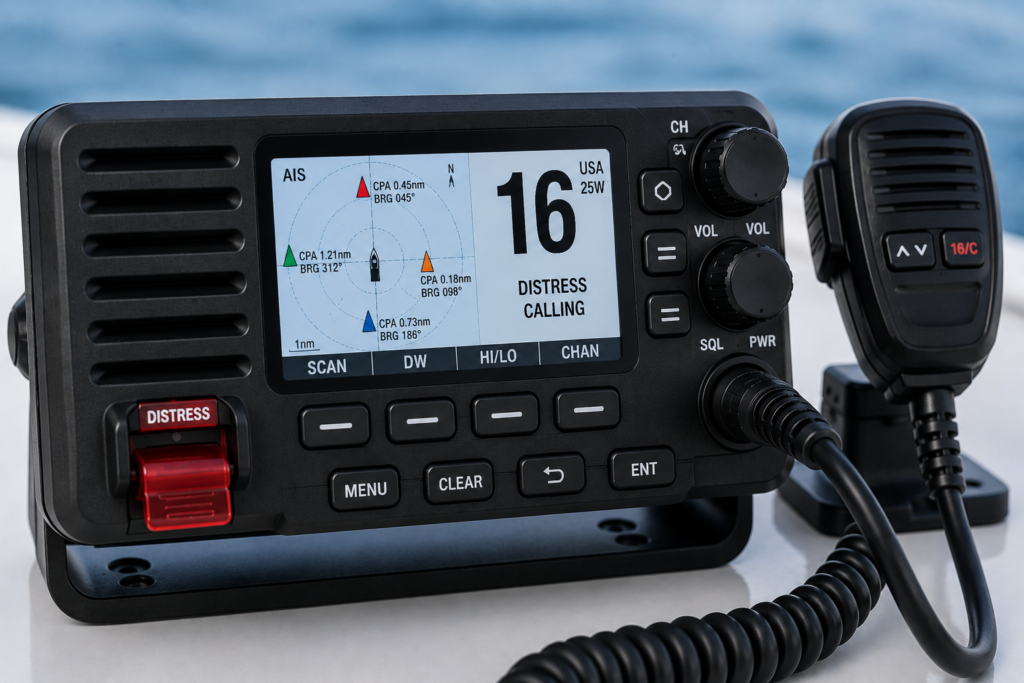
The big disadvantage of combination products is fail-safe reliability – if your MFD fails, you’ve potentially lost all your navigation aids and may not even have a display of basic GPS position or depth.
Squeezing dual functionality into one device also inherently makes operation more complex with more button pressing to find the functionality or data that you need. For instance a 3.5 to 5″ display on a VHF product is fine for displaying digital channel information but largely useless for a chart plotter or AIS target display.
Couple that with visibility in tough weather conditions and what seemed like a bargain two for one deal suddenly becomes less attractive.
Why Tablets Are Becoming a Popular Alternative
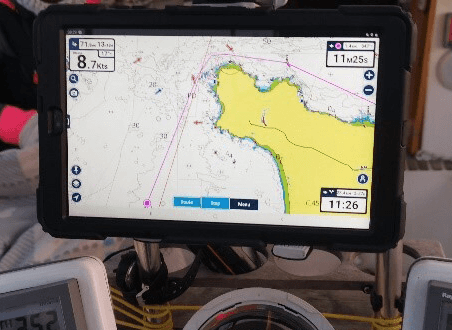
Digital Yacht helps mitigate this with simple wireless gateway devices that take underlying navigation data from NMEA networks and allow an iPad or tablet to use that data with apps.
NavLINK connects to your boat’s core NMEA 2000 network and takes data from the sensor source.
This isn’t just for fail-safe reliability either – for many boaters, using an iPad or tablet with the latest charting apps is preferable to a clunky MFD. A modern iPad boasts a much faster processor and higher resolution touchscreen display than any dedicated marine chart plotter.
Are Combination Products Really Cheaper?
The money savings aren’t always there either – take a combination AIS-VHF transponder product. Early versions of these didn’t even include a splitter for antenna sharing so it was necessary to fit two VHF antennas for AIS and VHF operation.
Plus, it was probably cheaper to buy a separate premium quality VHF and a good quality AIS transponder.
Why Digital Yacht Doesn’t Build an AIS-VHF Combination Product
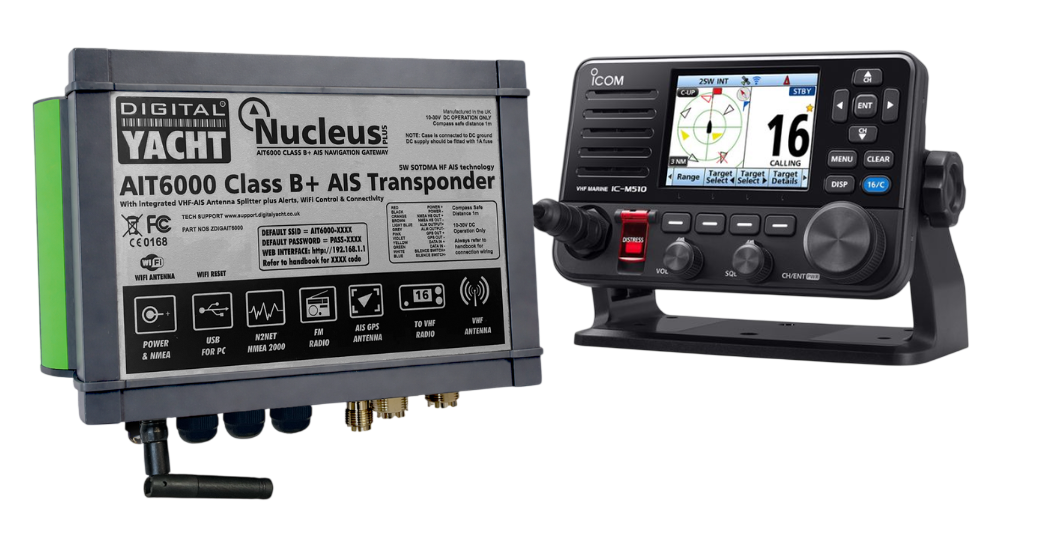
At Digital Yacht we get asked why we don’t make a combination AIS and VHF product and our thinking is as follows: VHF voice communication requirements are very different from AIS in terms of technology and user experience. They are also arguably the two most important electronic safety systems on board so “putting all your eggs in one basket” as the expression goes isn’t the most sensible decision.
Interestingly, Icom make great VHF voice communication products but not all AIS transponders are created equal. Some products still rely on older Class B CSTDMA technology, while newer Class B SOTDMA transponders offer higher transmission priority and improved visibility, particularly in congested waters – plus also a higher 5W output power. All Digital Yacht transponders utilise SOTDMA technology.
For these reasons, Digital Yacht has chosen to focus on dedicated AIS transponders and standalone VHF systems, allowing boat owners to select the best technology in each category while maintaining maximum redundancy and flexibility.
We’ve also worked hard to make sure our AIS transponder products have additional functionality like GPS data on the NMEA 2000 connection for total connectivity and the latest SPAIS satellite tracking capability – and you’ll save money too – seems like a no brainer!
Choosing the Right Marine Electronics Architecture
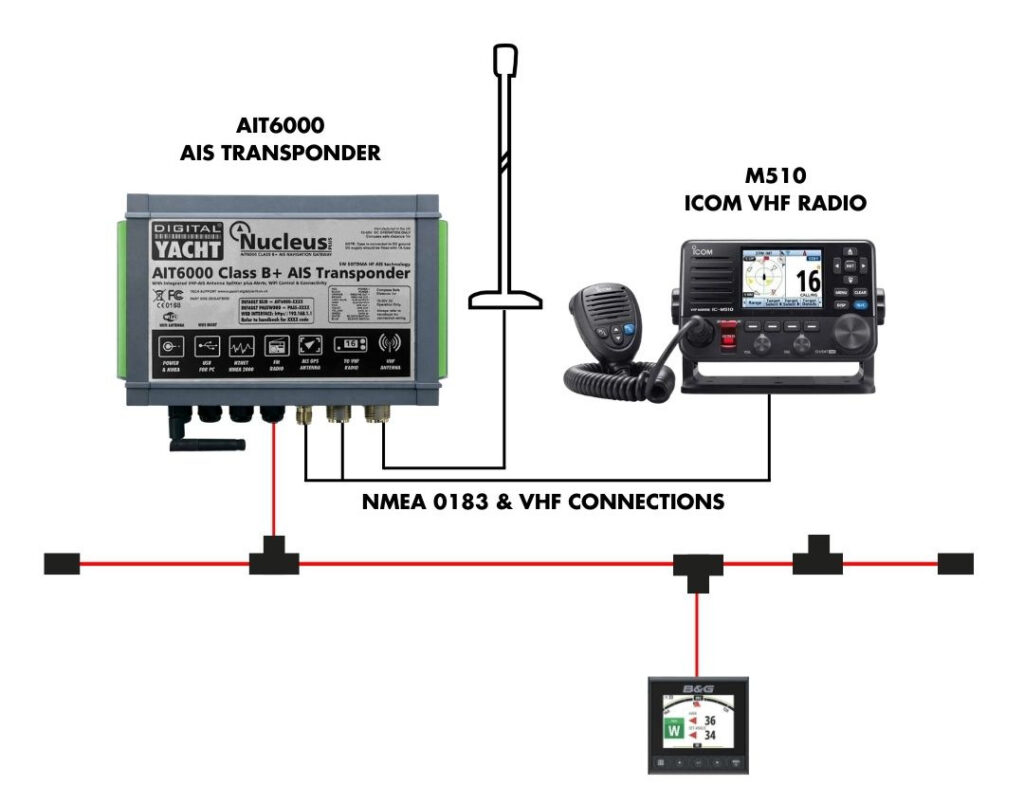
Ultimately, the best marine electronics system is one that delivers reliability, simplicity and redundancy when you need it most. For critical safety systems such as AIS and VHF, dedicated devices often provide the best balance of performance and resilience.
That’s why Digital Yacht continues to focus on specialist products that integrate seamlessly through NMEA 2000 while remaining independent when it matters most.
